
SPF 30 vs 50 Sunscreen: Which Offers Better Protection?
Skincare trends come and go, but sunscreen is the one thing dermatologists never stop talking about. Still, many people only apply it occasionally. Some people wear it only during vacations or when the sun feels very strong.
That approach does not really work.
Sunlight affects skin every single day. Even short exposure while commuting, walking outside, or sitting near windows adds up over time. This slow exposure is one of the biggest reasons people develop tanning, pigmentation, dullness, and early wrinkles.
Due to this, sunscreen has become a basic part of skincare routines now.
But then another question shows up. Should you use SPF 30 sunscreen or sunscreen spf 50 sunscreen? The numbers sound close, yet many people assume the higher one must always be better.
The reality is a little different.
Understanding What SPF Actually Means
SPF means Sun Protection Factor. It tells you how well a sunscreen protects your skin from UVB rays. These are the rays mainly responsible for sunburn and a large portion of sun damage.
The difference between SPF levels sounds bigger than it actually is.
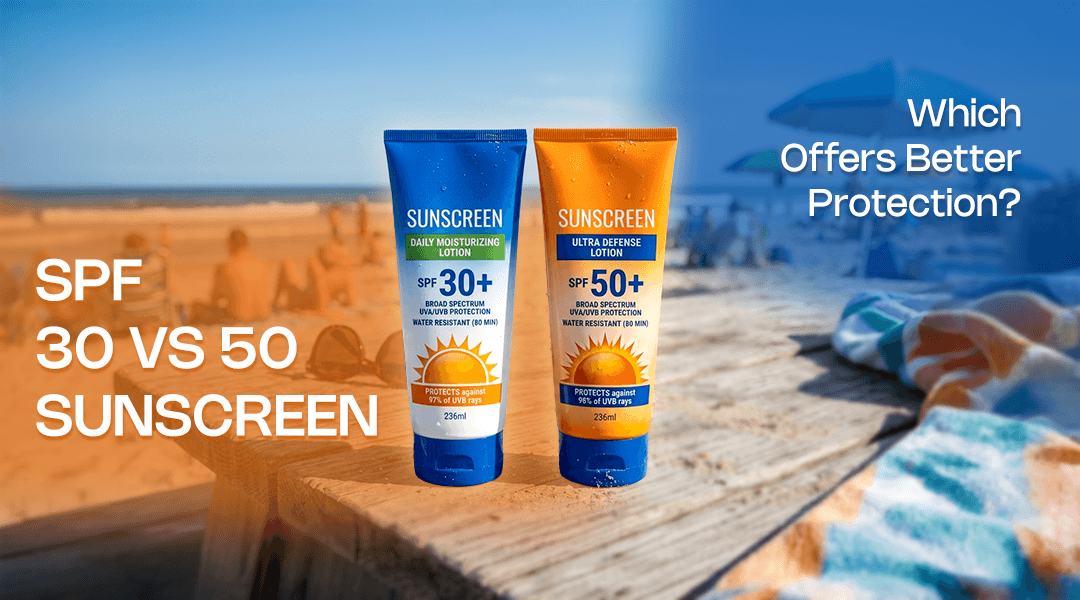
SPF 30 sunscreen blocks about 97 percent of UVB rays
Sunscreen SPF 50 blocks about 98 percent of UVB rays
So yes, SPF 50 blocks slightly more. But the difference is only around one percent.
For people who spend most of their time indoors, a good SPF 30 sunscreen for the face is usually enough for daily use. The real issue is that many people apply sunscreen once and then forget about it for the rest of the day.
Dermatologists often say that proper application matters more than the SPF number itself.
Why Many People Prefer SPF 30 for Daily Use
For regular routines, texture matters a lot. If sunscreen feels thick or greasy, people simply stop using it.
That is one reason many skincare experts recommend SPF 30 sunscreen for everyday use. It is usually lighter and blends into the skin easily. It also sits comfortably under makeup or moisturizer.
Some common reasons people stick with SPF 30 daily include:
Lightweight texture
Comfortable for long hours
Easier to reapply during the day
Usually less greasy on the skin
For people who have oily or combination skin, gel formulas often work better. A sunscreen gel SPF 30 tends to feel lighter and absorbs quickly without leaving a heavy layer on the face. Many dermatologists also recommend products like Cetaphil sunscreen SPF 30 When people search for it online, one of the most common things they check is the Cetaphil sunscreen SPF 30 price. The cost usually depends on the bottle size, but it is widely available in pharmacies and skincare stores.
The bigger point is simple. The sunscreen you choose should feel comfortable enough that you actually want to use it every day.
When SPF 50 Becomes More Useful?
Even though SPF 30 works well for normal routines, there are situations where stronger protection makes sense.
For example, people who spend long hours outdoors often benefit from sunscreen SPF 50. This includes activities like sports, outdoor work, long drives, or beach trips where sun exposure is much higher.
That small increase in protection can become more valuable during long exposure.
There are also certain skin concerns where dermatologists suggest stronger sunscreen.
People dealing with pigmentation, melasma, or acne marks are often advised to use higher protection. Extra sun exposure can make those issues worse.
In those situations, many people start exploring the best sensitive skin sunscreen spf 50 options. These formulas are designed to reduce irritation while still giving strong sun protection.
Skin type also matters when selecting sunscreen.
For example:
Best sunscreen for dry skin SPF 50 usually contains hydrating ingredients, so the skin does not feel tight or flaky
Best sunscreen for oily skin, SPF 50, focuses on oil control and lighter textures, so the skin does not feel greasy
The important thing is not just the SPF number. The formula has to match your skin.
Texture Is Something People Often Ignore
A lot of people focus only on SPF numbers and forget about texture. But texture is one of the biggest reasons people either continue using sunscreen or stop.
Different skin types respond better to different formulations.
Lotion Sunscreens
These are more hydrating. They usually work well for people with normal or dry skin. Many dermatologists recommend sunscreen lotion SPF 30 for people who want daily moisture with sun protection.
Gel Sunscreens
Gel textures are lighter and absorb faster. That is why sunscreen gel SPF 30 is often preferred by people who have oily skin or combination skin.
Some richer formulas are designed for dryness and sensitivity. Many products in the best sunscreen for dry skin SPF 50 category fall into this group.
Finding a texture you like makes sunscreen much easier to use consistently.
Common Sunscreen Mistakes People Make
Interestingly, most sunscreen problems have nothing to do with SPF numbers.
They come from how people apply it.
Some common mistakes include:
Applying too little sunscreen
Forgetting to reapply after a few hours
Ignoring areas like the neck, ears, and hairline
Wearing sunscreen only on sunny days
Cloudy weather does not completely block UV rays. Skin is still exposed even when the sun is not visible.
Due to this, dermatologists usually suggest combining sunscreen with other protection methods. Wearing sunglasses, using hats, or staying in shade during peak sunlight can help reduce exposure further.
How To Choose The Right Sunscreen
Choosing sunscreen should depend more on lifestyle than just SPF numbers.
Someone who spends most of the day indoors might feel comfortable using SPF 30 sunscreen for the face as part of their daily routine.
People who stay outside longer, travel frequently, or deal with pigmentation may prefer sunscreen SPF 50 for extra protection.
In many cases, dermatologists help patients choose sunscreen based on their skin condition rather than recommending one product for everyone.
Skin is different for every person, so the routine should also be slightly different.
Final Thoughts
Sun protection is one of the simplest habits that can protect skin in the long run.
The difference between SPF 30 sunscreen and sunscreen spf 50 sunscreen exists, but it is smaller than many people imagine. Daily use and correct application matter much more.
Most dermatologists agree on one very simple rule. The best sunscreen is the one you will actually apply every day.
Healthy skin is usually the result of consistent habits. Sunscreen, hydration, and a basic skincare routine together make a much bigger difference than any single product.